
May 6: In His Light / En Su Luz
-
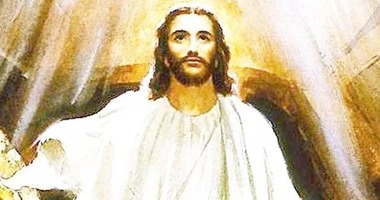
Have you ever had a week where the Sunday Mass (including the Scriptures heard there) keeps resonating with your experience and your prayer, well beyond the conclusion of the Mass?
Think back to St. John’s use of darkness and light in 21, 1-19. Those themes should be all the more familiar to us after hearing the Passion account proclaimed on Good Friday. Do you remember how Judas left the Last Supper and “it was night?” We see something akin to that in chapter 21 as the disciples go fishing “at night” – and they catch nothing. We should know by now what is coming, and St. John does not disappoint. After the uselessness of darkness, the Gospel tells us it is daybreak, and they can start again "in the light" – and the catch is huge!
Once we get the point of what happens when we work “in the light" of Christ, the Gospel hardly needs any further explanation, but the Word has more to say to us. There is a charcoal fire there on the shore, and it’s not the first time we have heard about a charcoal fire (if we recall again the Passion Narrative). In chapter 21, St. Peter does a bit better than he did at the other charcoal fire. His three previous denials of Jesus are now replaced by three affirmations that he loves the Lord.
Jesus’ patience and forgiveness take center stage as He confirms the place of Peter among the Apostles and in the Church. The final words spoken by the Risen Lord are spoken to each of us, each day, not only on Sundays: “Follow me.” Perhaps this is why the Sunday Mass sometimes resonates with our experience and our prayer the way it does.
***
No sabemos si ustedes lo han visto o lo han experimentado, pero a veces podemos recordar fácilmente la Misa dominical – días o más después. Algo nos pasa y recordamos las Escrituras u otra cosa de la celebración dominical.
El relato Evangélico del domingo pasado (Juan 21, 1-19) nos ofreció el trabajo que los discípulos llevan a cabo en la obscuridad de la noche. Están de nuevo juntos, pero faltan Jesús. Salen a pescar, pero no se embarcan escuchando su llamada, sino siguiendo la iniciativa de Simón Pedro. El Evangelio deja claro que este trabajo se realiza de noche y resulta infructuoso: “aquella noche no cogieron nada.” Sin la presencia de Jesús Resucitado, sin su aliento y su Palabra orientadora, no hay Evangelización fecunda.
Con la llegada del amanecer (con su luz), se hace presente Jesús. Desde la orilla, se comunica con los suyos por medio de su Palabra. Los discípulos no saben que es Jesús. Sólo lo reconocerán cuando, siguiendo dócilmente sus indicaciones, logren una captura sorprendente. Aquello sólo se puede deber a Jesús, el Profeta que un día los llamó a ser “pescadores de hombres.”
Para difundir la Buena Noticia de Jesús y colaborar eficazmente en su proyecto, lo más importante para nosotros no es “hacer muchas cosas,” sino cuidar mejor la calidad humana y Evangélica de lo que hacemos. Lo decisivo no es el activismo, sino el testimonio de vida que podamos irradiar – compartiendo su luz con los demás.