
January 7: Intercessory Prayer
-
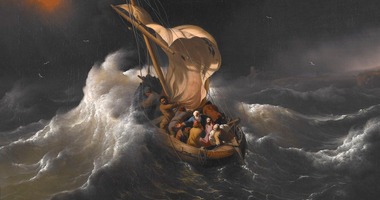
On the Wednesday between the Feast of the Epiphany and the Feast of the Baptism of the Lord, the Church’s daily Mass includes the Gospel passage from Mark 6, 45-52: Jesus quieting the storm on the sea and reassuring His disciples. That Gospel account includes an expression which many still find perplexing: “Jesus saw that they were tossed about while rowing, for the wind was against them. About the fourth watch of the night, He came toward them walking on the sea. He meant to pass by them.” Why? Why would Jesus, who sees their distress and hears their cries, mean to pass by them?
St. Augustine suggested that that Jesus meant to pass by them so that His help would come at their request. The same St. Augustine said that we can see this same logic played out in the account of the Journey to Emmaus. (Luke 24, 13-35) In that episode, Jesus accompanies the two disciples all the way to their home and then “intends to continue on His way.” The disciples beg Him to stay – and He does. Thus, when Jesus means to pass by in Mark 6, He is opening the door to the disciples’ request for Him to stay – and calm the storm – and they do make that request.
All of this offers us an important lesson about “the prayer of petition.” It apparently gladdens the Lord’s heart when we can give voice to our requests for His grace, help, and intervention; He will never impose His help on us! This ought to make us all the more bold in placing our prayerful needs (and those of our world) before Him and asking others to intercede for us in the same way.