
December 26: Martyrdom / El Martirio
-
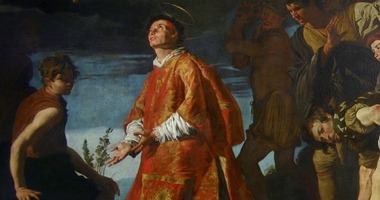
In the Second Book of Chronicles in the Bible (24, 22), the priest Zachariah was put to death by stoning. His last words were a shouted curse, “May the Lord see this and avenge me!” Let’s contrast that with the dying words of the Martyr St. Stephen in the Acts of the Apostles (6, 8-10 and 7, 54-60): “Lord, do not hold this sin against them.”
The Old Testament’s “eye for an eye” we can readily understand, since crimes of violence and injustice cry out to heaven for vengeance. However, in light of the injustice done to him, we can only be amazed by St. Stephen’s final words, praying to God to pardon his killers. His "crime" was to have spoken some hard truths that his audience did not want to hear. As a result, the frenzied mob put him to death by stoning. Under a rain of rocks that crushed his bones, St. Stephen commended his spirit to Jesus, and with his dying breath he prayed for his killers. That is one of the reasons the Church celebrates his feastday today.
How do we get from Zachariah’s “May God punish them!” to St. Stephen’s “Lord forgive them?” What or rather who has made the difference? Jesus Himself. The One born in a stable in Bethlehem grew up and He foretold that those who were sent out to spread His message would be rejected and that some would be killed. The One about whom angels had sung, “Glory to God in the highest,” cried out in His own voice: “Jerusalem, Jerusalem, the city that kills the prophets and stones those who are sent to it! How often would I have gathered your children together as a hen gathers her chicks under her wings.”
Unconquered by hatred, Jesus overcame it with love — and so did St. Stephen. What might we overcome with love during the remainder of the Twelve Days of Christmas? Hatred, unforgiveness, jealousy, pettiness, selfishness, indifference…?
***
Desde el mismísimo comienzo de su existencia, la Iglesia sufrió persecución, como su fundador Jesús. En el segundo día de los Doce Días del Tiempo Navideño, la Iglesia celebra hoy la Fiesta del Mártir San Esteban.
San Esteban era de origen griego y pagano, y, a pesar de ello, muy respetado en la joven Iglesia de Jerusalén. Como Jesús, murió perdonando a sus perseguidores, y se entregó confiadamente, hasta cuando estaba espirando, en las manos de Dios. (Hechos 6, 8-10 y 7, 54-60). Era uno de los siete diáconos que asistían a los Apóstoles, particularmente en el ministerio del servicio a los pobres. Los Hechos de los Apóstoles le describen como “lleno de fe y del Espíritu Santo” y “lleno de fortaleza.”
¡Cómo se pareció San Esteban a Jesús, viviendo en las manos del Padre y muriendo mientras perdonaba a los que le asesinaban, y se encomendaba confiadamente a Dios. Que ojalá Dios nos otorgue una fe tan firme y tan linda, y que a todos nos bendiga – especialmente durante de este tiempo santo de Navidad.